

I’ll be upfront about something: I’ve been building websites for over 11 years, and in that time I’ve worked with a lot of different technologies. React, custom frameworks, various CMSes, headless builds, the works. And at the end of it all, for most South African businesses, I keep coming back to WordPress.
That sometimes surprises people. WordPress has a reputation as the ‘beginner option’ — the thing you use when you don’t know how to build a ‘real’ website. I want to challenge that, because it’s genuinely not accurate, and it’s costing businesses money when they chase complexity they don’t need.
What WordPress Actually Powers
WordPress runs approximately 43% of every website on the internet. Not 43% of small business sites — 43% of all websites. The New York Times, Sony Music, the Swedish government, Mercedes-Benz, TechCrunch — these organisations have entire development teams available to them, and they chose WordPress.
That doesn’t happen because it’s the ‘easy option.’ It happens because a mature, well-supported platform with a massive ecosystem of vetted plugins and a proven track record is often the genuinely sensible choice — even for sophisticated organisations.
The Real Reason Developers Chase Complexity
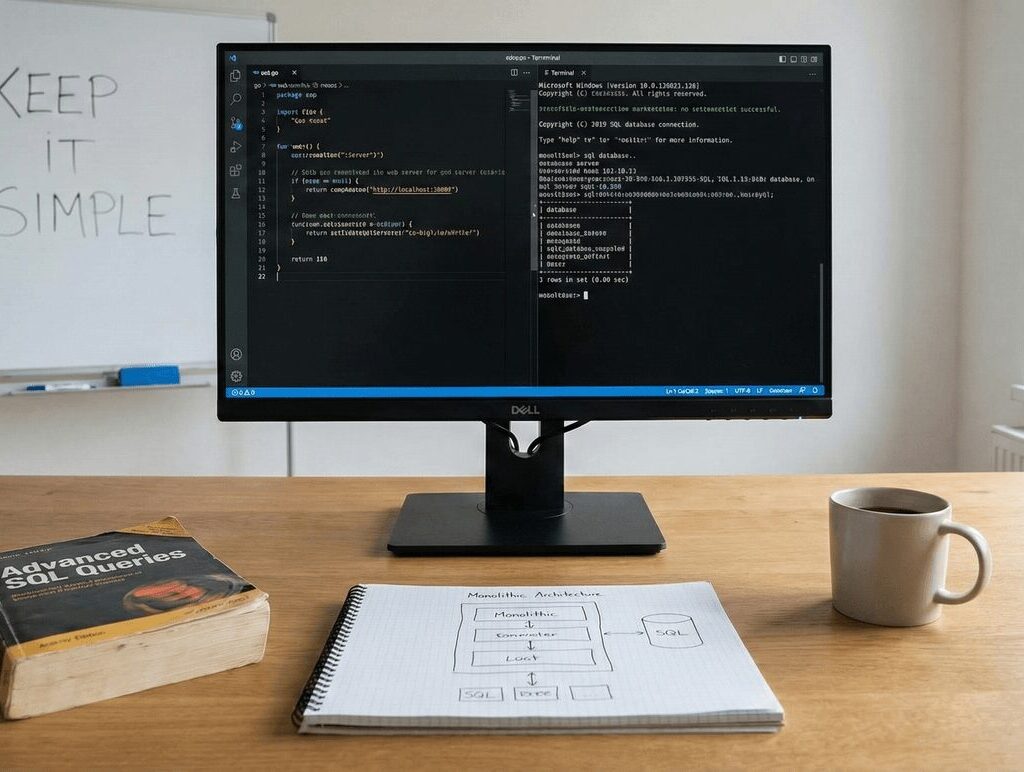
Here’s something I wish someone had told me earlier in my career: for a while, our industry had a problem where developers chose technology based on what would look impressive rather than what was right for the project.
‘We built it with a custom React frontend, a headless CMS, and a serverless API layer’ sounds much more impressive at a conference than ‘we built it on WordPress with a custom theme.’ But for a service business in Bloemfontein that needs leads and contact form submissions, the complex option often delivers slower page speeds, higher maintenance costs, harder handovers, and a steeper learning curve for the client — for no meaningful benefit.
Complexity is sometimes the right answer. But it needs to be justified by the requirements, not by the developer’s portfolio.
Why WordPress Is Right for Most SA Businesses
You Can Manage It Yourself
Once your site is built, you shouldn’t need a developer to update your services page or add a new blog post. WordPress gives you that control. Other frameworks often don’t, which means ongoing dependency on the developer and ongoing cost.
The Plugin Ecosystem Is Genuinely Powerful
Need a booking system? A WooCommerce store? A membership portal? An API integration with your CRM? WordPress has vetted, well-supported plugins for all of it. What would take weeks to build from scratch can often be implemented and customised in days.
That said — and this is important — plugins need to be chosen carefully and maintained properly. A WordPress site with 40 poorly-chosen plugins is not the same thing as one built with intention. The skill is knowing which plugins to use, which to avoid, and when to write custom code instead.
SEO Foundations Are Solid
WordPress, set up correctly, gives you everything you need for strong technical SEO: fast load times (with proper optimisation), schema markup, XML sitemaps, clean URL structures, and easy integration with tools like Google Search Console. Add a well-configured SEO plugin and you have a solid base to build rankings from.
Long-Term Stability
WordPress has been around since 2003. It has a massive global development community, regular security updates, and isn’t going anywhere. I’ve seen clients burned by agencies that built on boutique frameworks that became unsupported two years later — leaving them with a site no one could maintain without rebuilding it from scratch.
When WordPress Isn’t the Right Answer
I should be honest here too. If you’re building a highly custom web application — something with complex real-time functionality, a unique data model, or specific performance requirements at scale — WordPress may not be the right tool. At that point the conversation about technology becomes more nuanced.
But for a professional service business, a restaurant, a retailer, a medical practice, or any organisation that needs a fast, trustworthy, and manageable website that ranks on Google? WordPress, built properly, is hard to beat.
If you want to understand what the right approach would be for your specific situation, I’m happy to have that conversation. No jargon, no upselling — just an honest assessment.